
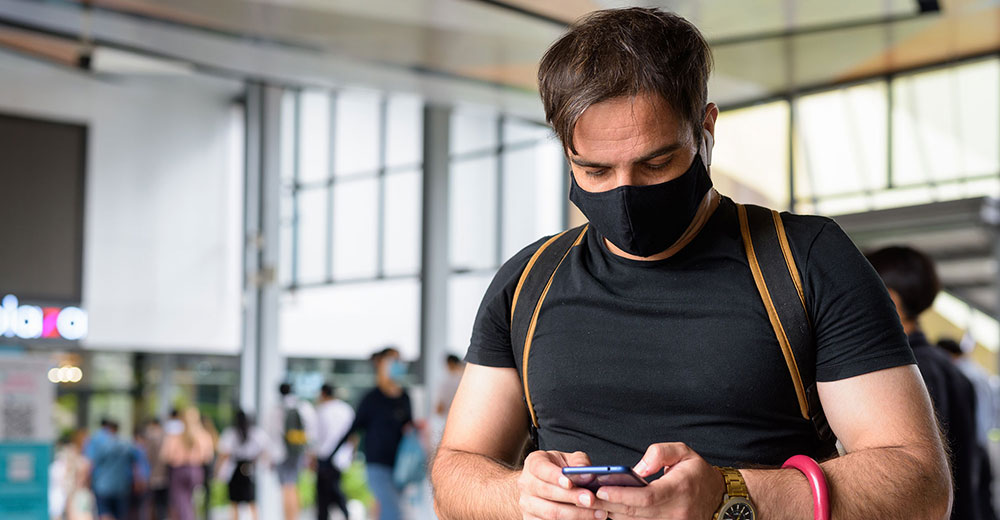
A Shopper Experience Index report by Bazaarvoice, a provider of product reviews and user-generated content (UGC) solutions, shows shopping trends are expanding as the pandemic's impact on e-commerce continues, forcing retailers to adapt their marketing strategies to meet new consumer expectations and demands.
Consumer adoption of digital shopping is driving the expanded use of user-generated content, the introduction of new private labels, and increased access to product sampling. A key finding of the global report is the rapid mainstreaming of social commerce. Another significant result is that while digital shopping is not fully replacing brick-and-mortar stores, it is surpassing them.
The report notes that most shoppers want a mix of user experiences for in-store and online shopping. That strategy was already on the rise. The pandemic has accelerated e-commerce's trajectory by years.
Released Wednesday, the report is based on data from over 11,500 brand and retailer websites in the Bazaarvoice Network, Bazaarvoice's Influenster community of more than six million members, and a global survey of more than 6,000 consumers.
"COVID-19 has not only drastically changed consumers' shopping habits but also accelerated the trends already in motion before it began," said Keith Nealon, CEO at Bazaarvoice. "But even though more shoppers are utilizing e-commerce than ever before, they still want the brick-and-mortar experience of truly getting to know the product they are buying."
As the pandemic continues, brands and retailers must have an omnichannel approach. This allows their consumers to shop and meet them where and when they want. Regardless of which channel consumers select, brands need to bring the in-store experience to shoppers' front doors and leave them with the confidence to make the right purchasing decision, he said.
"I think the most surprising finding was how common social commerce has become -- almost a third of U.S. shoppers said they use social media to discover new products to buy," Suzin Wold, senior vice president of marketing at Bazaarvoice, told the E-Commerce Times.
Social Commerce Now Mainstream
The report found that more than one in three shoppers made a purchase on social media in the past year. Social commerce will continue to become more mainstream going forward, as well, World noted.
Almost half of the global population is using at least one social media platform. But that use is no longer reserved for keeping in touch with friends. Approximately 32% of U.S. shoppers reported using social media to discover new products to purchase.
"We are seeing this in real-time, as social companies are continuing to update their platforms to be more commerce-friendly. Soon, people will be using social media to shop just as much as they use it to socialize," Wold added.
When broken down by age, that number climbs to 43% of 18-to-24-year-olds and 47% of 25-to-34-year-olds regularly engage with e-commerce on social media, said Wold.
Report Takeaways
As these social commerce and online shopping trends are only set to increase, it is time for brands to take what customers share with them on social media and utilize it elsewhere, according to the report's researchers. That should be a staple for marketers since many shoppers cannot or will not go inside stores to see products for themselves.
When shopping on a brand or retailer's website, 42% of shoppers will not make a purchase if the page they visit lacks user-generated content. Nearly half (49%) of shoppers look at product pages for customer photos, followed by other websites where the product is sold (47%) and search engines (35%).
The trends reported above from the Shopper Experience Index reflect consumer behavior in the U.S. However, the report also highlights similar behavior patterns among shoppers in other countries. The trends revealed are the same; only the supporting percentages vary.
"Right now, the large variations in shopper behavior between countries are very much due to the pandemic. COVID-19 has impacted countries in vastly different ways over time, and there are significantly varied lived experiences occurring worldwide right now. Shutdowns and the risk of infection varied greatly by location. In turn, shoppers approached retail differently in response to that," explained Wold.
Same Trends, Different Numbers
This year's Shopper Experience Index reveals significant differences in consumer behavior compared to last year, as the pandemic's influence continues to spread. Still, e-commerce's trajectory was vastly accelerated in 2020 alone.
While online shopping used to be mostly for leisure, it is now a necessity, noted Wold. In fact, 36% of American shoppers said they reduced their in-store trips, 18% said they only go into stores for essentials, and 20% said they are not shopping in-store at all right now.
In Bazaarvoice's client network of over 11,500 brands and retailers, online ordering increased 39% year-over-year globally in 2020. However, this does not mean that physical retail is obsolete.
"I think as soon as shopping in person is safer, more people will get back to it. Just slightly under half (49%) of shoppers would choose in-store shopping over buying online for the next year," observed Wold, citing results from the report.
Gone Digital With Hands-On Sampling
In 2020, online shopping went from a novelty option to a necessity. Despite the reluctance of many shoppers to step foot in a physical store, shoppers are not willing to give up brick-and-mortar shopping just yet.
But the tide is showing strong signs of changing. More consumers are cutting regular trips to their previous in-store preferences.
Hands-on sampling, a new consumer shopping trait, is making up for the missing in-store experience. Product sampling is helping to replace it.
Over half (52%) of shoppers said what they value most about an in-store shopping experience is the ability to touch, see, and try on products. Significantly fewer (47%) of consumers said shopping at a brick-and-mortar store is how they feel most connected to the brands they love.
With the new normal having become just 'normal', brands need to meet customers where they are: at home. Product sampling is the perfect solution, the researchers found.
Bazaarvoice's survey found that 82% of shoppers like the idea of receiving free samples. Some 53% of shoppers are willing to write a review of the free products they received. Plus, 28% say they will even post on social media.
In a survey of the Influenster community, which includes members who have received a sampling box from Bazaarvoice, 60% reported purchasing the sampled products again, and 97% stated that they bought at least one other product from the brand because they loved the first product so much.
Shoppers appreciate sampling because it provides them with the in-store experience of physically interacting with a product they crave. What makes it so appealing is that they can discover new products from the safety of their own homes.
Private Label Products in Demand
Private labels are also becoming increasingly preferred by shoppers. Private-label products are obtained by retailers from a third party. Retailers sell them under their own brand names. The individual retailer controls everything about the product or products, including its specifications, packaging, and all other aspects.
Through improvements in perception and offerings, private label products have become sought after, rather than afterthoughts, according to Baazarvoice's research. During the past year, 53% of shoppers made a private label purchase.
The top reasons for doing so were liking the product (59%) and the product being cheaper (56%). Grocery is the most popular vertical that shoppers will buy as a private label (57%), followed by apparel and accessories (47%) and home goods (46%).
Some 47% of shoppers have intentionally purchased private-label products in the past year. The greater availability of private-label products has also contributed to addressing global product shortages resulting from COVID-19.
More than three-fourths (84%) of shoppers report product shortages during the pandemic. In today's current times, private labels present a great opportunity, but retailers must ensure that UGC is available for these products to give consumers the confidence to choose them.
Seeing Is Not Like Touching
COVID-19 has accelerated numerous shopping trends and consumer behaviors related to online shopping and delivery, acknowledged Charles King, principal analyst at Pund-IT. However, the new commerce standard still leaves something to be desired when it comes to evaluating products you are considering buying, he said.
"At one level, that has increased the importance of consumer-generated reviews and similar content," he told the E-Commerce Times. "But it is also worth mentioning that personal reviews are being actively gamed on Amazon and other e-commerce platforms."
That, in turn, has heightened the value of known/respected brands and manufacturers with solid support services and return policies, King added.
"One reason subscription boxes have been so popular is that they allow consumers to sample a variety of products without the trouble of leaving the house. Whether those services remain popular as the pandemic begins to recede will be an important trend to watch," he said.
Shifting Trends, Changing Loyalties
The issue of consumer and brand trust is impacting consumer reactions to the shift in buying practices, noted Andre Artacho, managing director of Two Nil, a marketing and consulting services firm in Los Angeles. That could become a tipping point of success or failure for brands this year.
"Consumers are likely going to rely more and more heavily on reviews and not product details that are emphasized by the brands themselves. They will trust what other people have to say over fluff from brands," Artacho told the E-Commerce Times.
Brand trust and sentiment will likely be driving factors for consumer decision-making in 2021, he added.
Private labels and live shopping are two other trends that are attracting consumer attention as in-store replacements, observed Shelly Socol, co-founder of 1R, a digital commerce and retail strategy agency in New York City.
"The uptick in private labels is increasing because many of these types of brands are straight direct-to-consumer models with streamlined and dedicated offerings," Socol told the E-Commerce Times.
They have cut out the middleman, are digitally savvy, focused on convenience and brand communication, are priced right, and are extremely authentic in their communication, which resonates with shoppers, she explained.
Live shopping is also a popular trend and is a dominant force this year. Brands are finding considerable success with marketing on Instagram Live or similar third-party platforms, she noted.
Product testing is a significant trend that is expected to continue growing. Virtual try-on is also gaining popularity, but it requires an investment. "If you do not implement properly, it could scare customers off," Socol cautioned.


















 Loading ...























Social Media
See all Social Media